A Season to Reset: Returning to Ourselves Beyond Tradition
Written by Jessica Hernandez
Co-Lead, Therapinxy SF Bay Area Chapter
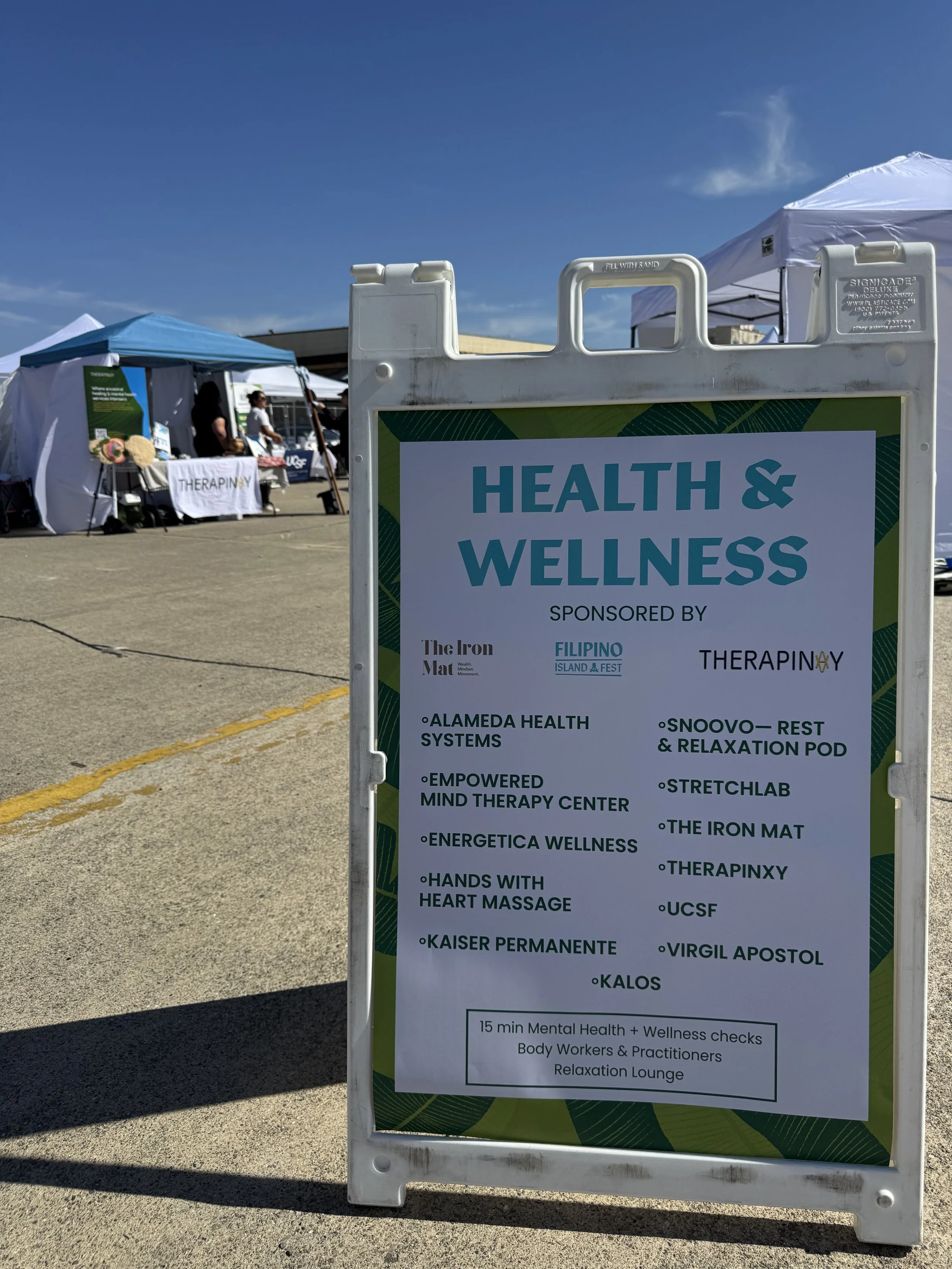
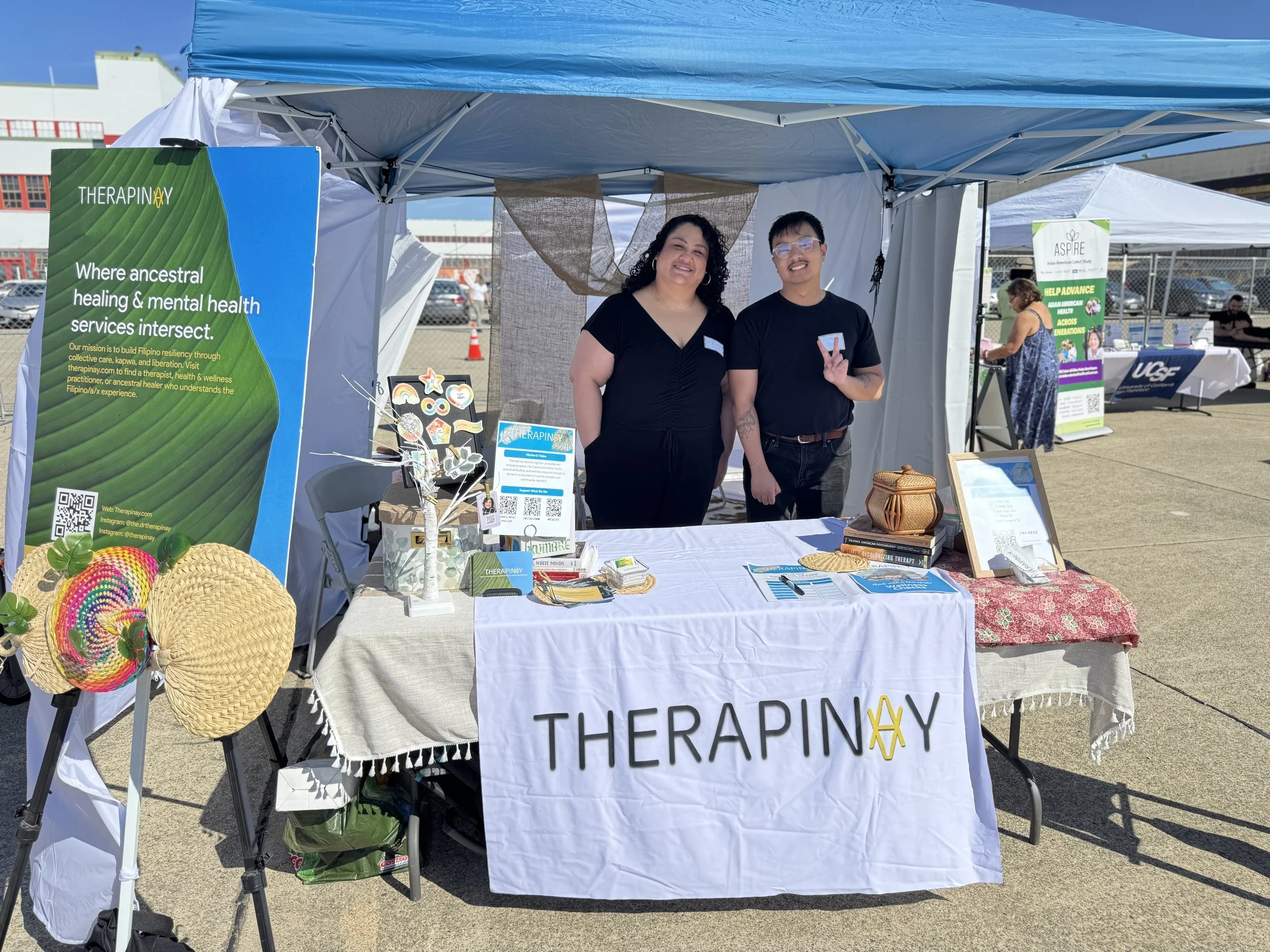
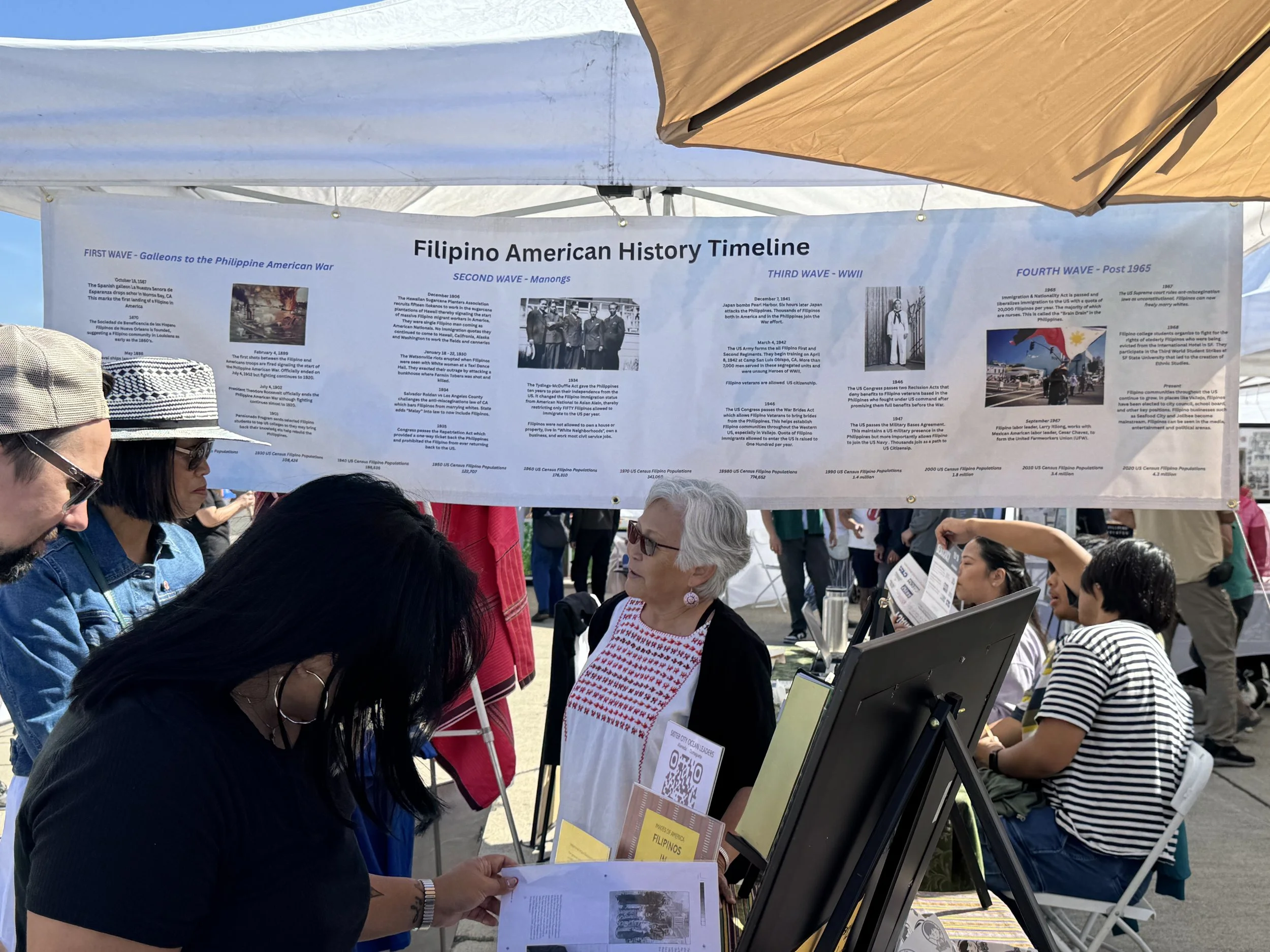
To heal as a Filipinx person is to resist silence, to reclaim story, and to rise with others. Here in the SF Bay Area, we heal by coming together in solidarity and resistance through collective care and ancestral healing. This past October, we celebrated Filipino American History Month all month long with different wellness events and community collaborations. One such event was Filipino Island Festival. Created by Pia Barton of Malaya Botanicals, Filipino Island Festival is bayanihan in practice - a transformative intersection of Filipinx culture and intentional community. Bringing together 25,000 community members throughout the day, folks could explore Filipinx food, music, art, and education. Therapin*y and Therapin*y Bay Area partnered with Malaya Botanicals and another Filipinx organization, The Iron Mat, to bring together thirteen different Filipinx healers and wellness practitioners to create an oasis within Filipino Island Festival - a space where folks could rest and restore amidst the festivities and engage in ancestral and collective healing.
“What does ancestral healing look like? What does it mean to decolonize wellness and center on Filipinx liberation?”
As festival goers entered the health and wellness pavilion, folks would oftentimes stop by our table first, as we were there to welcome folks into the space, introduce them to the different providers and various offerings, and provide wellness checks for folks who needed a space to explore and process what was coming up for them. A common question that folks asked when entering our pavilion was: “What does ancestral healing look like?”. As we moved through the day, I found myself really reflecting on that question. What does ancestral healing look like? What does it mean to decolonize wellness and center on Filipinx liberation? I found that, by looking around at the pavilion, I had my answer. I saw children playing with elders; folks receiving hilot and massage therapy; community members engaging in intentional and thoughtful conversation about destigmatizing healing and recentering on kapwa and our kababayan through our wellness checks; Filipinx providers getting to share their work and their stories with community members as if to say “We’re here too! This is what healing is supposed to look like, we take care of each other!”.
This is what ancestral healing and healing justice look like - pulling the curtain away from Westernized colonial treatment and turning towards what we know works for us, making healing accessible by bringing it to the community.
This November, I encourage everyone to divest from American traditionalism of what “Thanksgiving” is supposed to be so that we can make space for what we truly need, to reaffirm our gratitude and thankfulness for what Filipinx liberation has taught us - centering on indigenous and ancestral practices allows for true, grounded, and sustainable healing.