
Rest is Resistance: Collective Rest as a Filipino Wellness Practice
Written by Chay Tanchanco, LMFT
Co-Lead, Therapinxy SF Bay Area Chapter
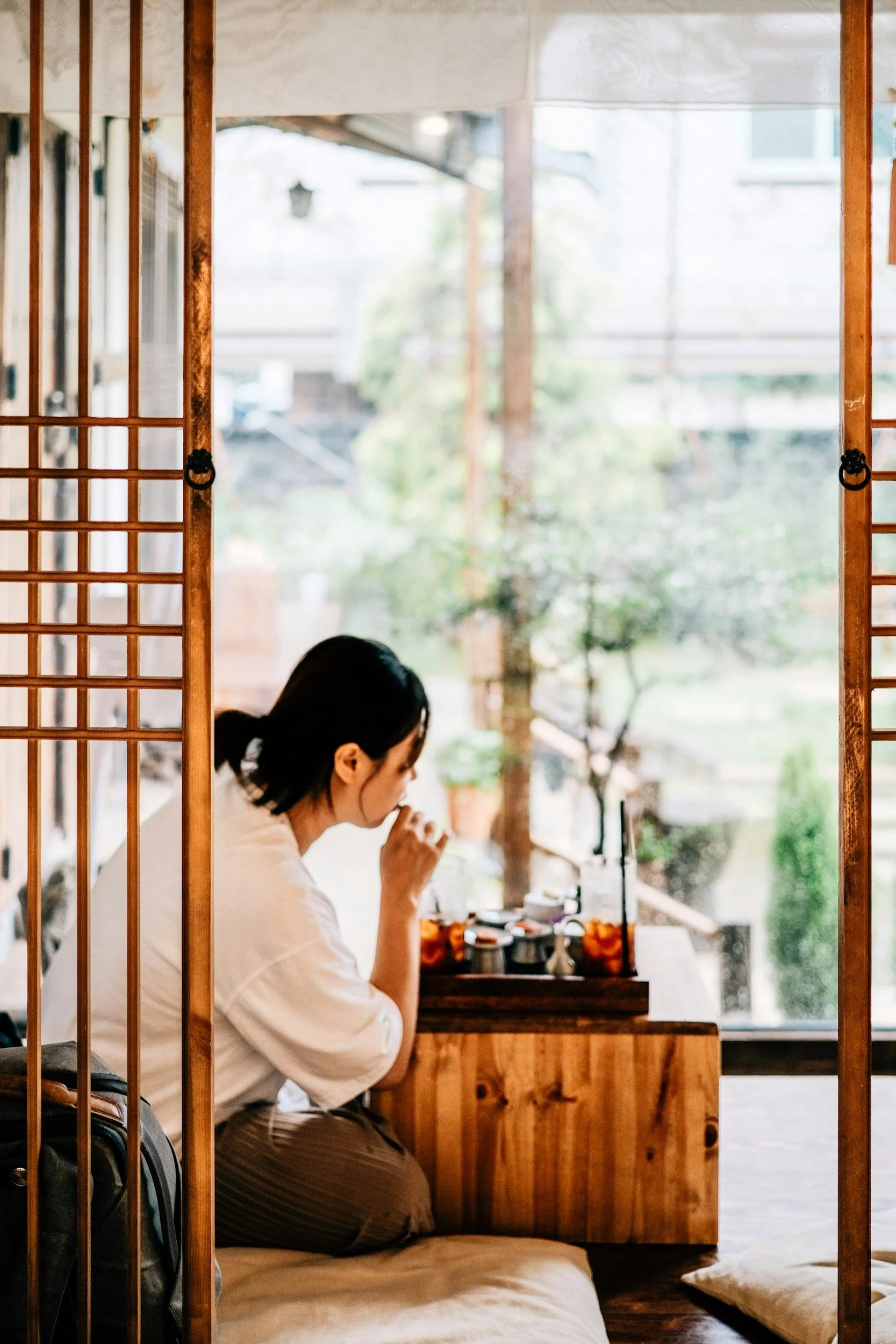
Rest is Resistance: Collective Rest as a Filipino Wellness Practice
written by Chay Tanchanco, LMFT
We as Filipinos live and breathe "work hard, play hard". More often than not, we are doing both at the exact same time, laughing and singing at the tops of our lungs while scrubbing down the tables and dishes in preparation for an exuberant gathering. Filipinos have a reputation for being hard workers, for being generous and diligent in how we follow through what we set ourselves out to do and how we care for others. We pride ourselves in it.
So it's no wonder we have such a hard time letting go and learning to rest.
During the holiday season especially, our infamous 'ber' months of Filipino Christmas, there is so much to do, all kinds of celebrations and events to prep. How is it all going to get done if we sit down and rest? How will all the food get made, the gifts wrapped, and parties planned if we stop moving? How will everyone else feel if they knew we were sitting back, potentially burdening others with the work we 'should' be doing instead?
To add even more pressure, our cultural value of utang na loob - the lifelong obligation and indebtedness we feel towards those who have given to us - creates a powerful pull toward overworking. We take gratitude to the next level; we dedicate our entire energy to paying back those who have given to us, made the good things in our lives possible. The effort we put in counts. We want people to see that we care and that they know that we do not take their kindness or generosity for granted.
“Every time we choose to rest, to connect with our community, in ways that are sustainable and rooted in our humanity, rather than buying in to the narrative that we must shackle ourselves with shame for burdening someone else with our needs, we choose resistance. We choose love. We choose life. We tap into the abundance that is available to us all.”
At the same time, this year has been particularly hard on our Filipinx and larger BIPOC communities in so many ways. I have seen people, both within therapy settings and outside of them, who are feeling a heightened sense of fear and exhaustion due to the current administration's lack of humanity and the resulting harm due to violence and general unrest within our local, national, and global communities. We are faced with fighting for immigration rights to protect those who need it most. We are grieving active genocides and, for some of us, our own personal transitions and losses. We have already been carrying the weight of caring for the world through the pandemic, as overseas Filipino workers, as first responders, as caregivers, as laborers. We are emotionally, mentally, physically, spiritually strained under the weight of it all.
We are tired, dear kapwa.
We have been working very, very, very hard.
We need to rest, but how can we do this in ways that align with our cultural values?
Rest, especially in our current society, has two implied connotations: 1) it's solitary and 2) it's selfish. You go away from everyone else, you sleep, you lay down, you take time away from others and give it back to yourself. These push so heavily against our collectivist values as Filipinos. And yes, there is absolutely room for us to take individual time for ourselves and work through the guilt that binds us to self-sacrifice.
It's also important to consider rest beyond the connotations.. beyond colonization.. that collective rest is part of our DNA.
This may look like:
Spending intentional time with a close friend, family, loved one or two and sharing in deeper conversations
Being in the presence of others while engaging in mindfulness, whether practicing together or in parallel, (e.g. journaling next to each other, absorbing the view of the sunset, smelling our cups of coffee and holding our pandesal)
Deciding with at least one other person to release even one usual labor or obligation during a gathering, such as an extra dish, a gift that can be given later, or a task that can be distributed or delegated among others
Dancing, singing, swaying, and/or simply sitting to enjoy music while honoring everyone's different participation in collective activities
Validating each other, expressing our gratitude to each other, naming that we see one another in their humanity and fullness; sharing in the complex feelings that come with holidays and gatherings - which means sometimes taking a pause from the solution-focused or 'stay on the bright side' mentality, and instead being with someone in their grief, sadness, or any feeling that is deemed 'less desirable'
Simply offering a hug, being open to holding hands, or brewing a cup of tea with someone
Consider gathering with loved ones in proximity to nature, by the ocean, with ancestors, with the earth
As a people who are usually more comfortable giving to others than receiving kindness from others, collective rest can bring us more into alignment by allowing the give and take to be in tandem, balancing the pressures of individualist self-care with support from resting with our community. This also allows us to experience utang na loob in a different way.
When we return to the indigenous roots of utang na loob rather than the warped version through colonization, as EJ David explained in this NPR episode of Code Switch, it was intended as a way for the entire community to support each other, to lift us all together. We care for each other through honoring the gifts that were given to us, and that doesn't necessarily mean that we pay them all back or endlessly commit ourselves to overworking.
"They say: 'Marunong ka na tumanaw ng utang na loob.' Tumanaw means to acknowledge it, to see it. They don't really expect you to pay it back! You just need to acknowledge that you are indebted to them. The saying is not: 'Matuto kang magbayad ng utang na loob,' which is: 'You need to learn how to pay!' so it's not the payment that matters. It's acknowledging that you are indebted to somebody."
Roanne de Guia-Samuels, one of our very own Therapinay providers, also featured in this NPR episode explained the way this manifests in her own life:
My 'debt' to my mom is calling her regularly, reminding her of her connection to the things in my life that are possible because of her, and sharing in that joy.
Every time we choose to rest, to connect with our community, in ways that are sustainable and rooted in our humanity, rather than buying in to the narrative that we must shackle ourselves with shame for burdening someone else with our needs, we choose resistance. We choose love. We choose life. We tap into the abundance that is available to us all.
Tricia Hersey, founder of the Nap Ministry and author of the book "Rest is Resistance", wrote:
"Many people think they don't deserve abundance or anything good unless they burn themselves out from exhaustion to get it. This is a lie taught to you from your socialization from grind culture.
There is ease, flow and alignment."
Decolonizing our wellness means unlearning deep rooted beliefs that our worthiness comes from endless, thankless work. And this holiday season, may we as the Filipino community, kapwa in healing and light, choose rest.