What does the Fourth of July mean for those who were colonized and enslaved?
What does the fourth of July mean for…
those who were colonized and enslaved? filipinos? filipino Americans?
Written by Dr. T.
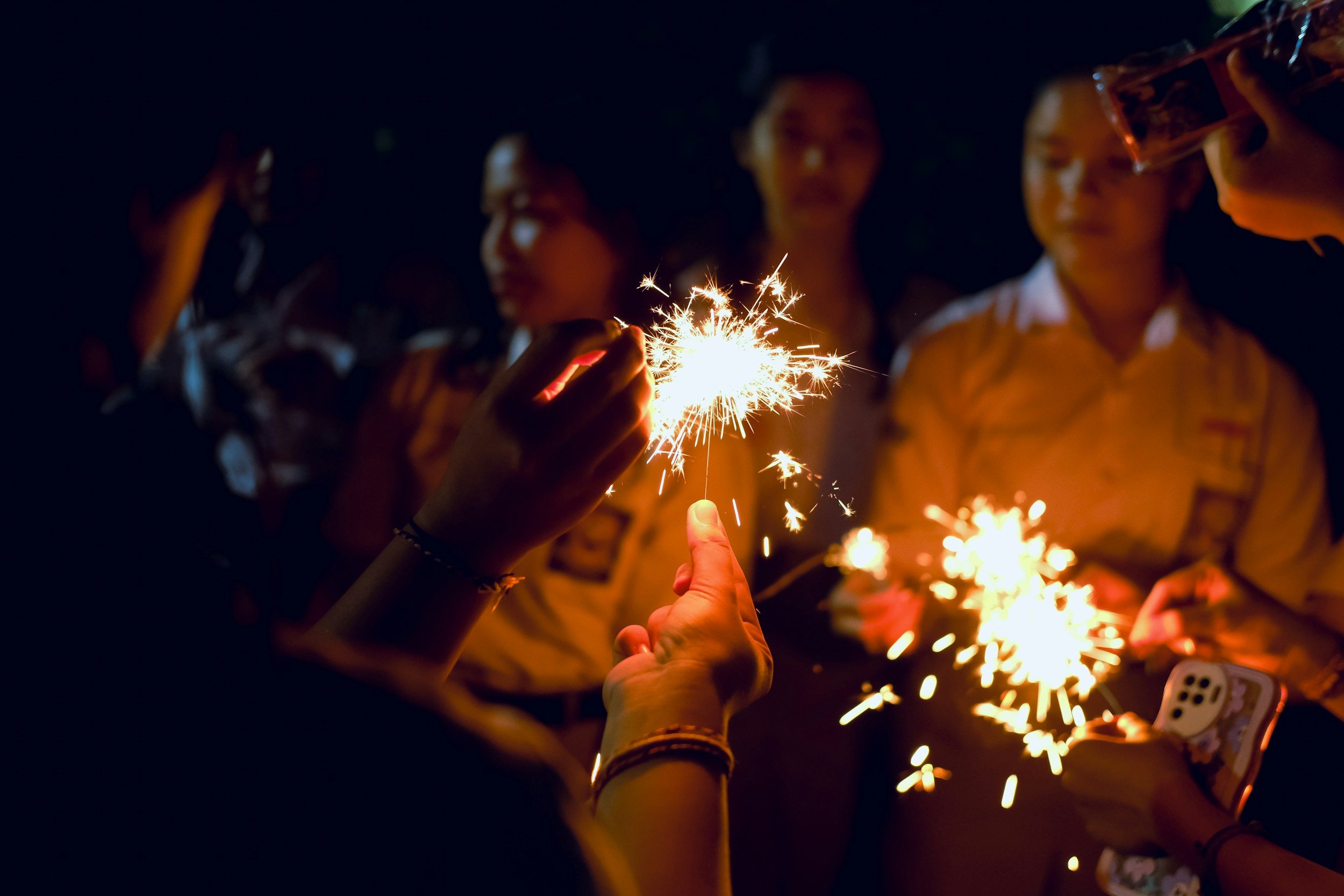
What does this day of freedom mean for your mental health??
In the Philippines: Philippine Republic Day (Araw ng Republikang Pilipino) commemorates the day that the Flag of the United States was lowered while the Flag of the Philippines is being raised. The Philippines only celebrated July 4 as its Independence Day until 1962. Since 1962, it is “recognized” as the ongoing partnership & friendship between the United States and Philippines, and identified as Philippine-American Friendship Day—a non-holiday.
In the United States: American Independence Day on the Fourth of July (July 4, 1776), as a day that represents the signing of the Declaration of Independence. Practiced today as a ritual of “nationalism” and pride in the United States of America.
What is freedom mean for your mental health? Is it a symbolic gesture? Is it a literal gesture?
When we talk about “wellness” and our health, it is necessary to consider the current events/historic & present day circumstances. These layers give context to the work we need to do as therapist, ancestral healers, educators, and wellness providers.
With the colonization of the Philippines, the United States of American presence has been a legacy throughout the generations. The remnants show up in…
Military: the U.S. military supplies the Philippines' armed forces with weaponry, which has been used towards numerous human rights violations and attacks on Philippine citizens. There are existing and expanding military bases throughout the islands to enforce control.
Economy & politics: The Philippines and Filipinos across the diaspora reply on foreign capital, remittances, and profit taken out of the Philippine's natural resources (i.e., mining, destruction of natural resources, agriculture). The Philippine's leaders have supported, created, and pushed policies that reinforce dependency upon foreign corporations and benefiting the U.S. primarily, while further disenfranchising the Filipino people.
Education & culture: the U.S. continues to have a stronghold on the public education system in the Philippines, including widespread English language replacement of Philippine languages and dialects. the education systems have also focused on creating more labor for the foreign market with low-skilled workers, which motivates participation in finding work abroad.
Psychologically… the colonial impact can be seen and felt personally, within family dynamics, interpersonally, and generationally - decades of research substantiates how colonial mentality (i.e., the oppression turned inwards) informs how our body, culture, language, traditions, rituals, beliefs are inferior or worthless (e.g., feeling indebted to the U.S. for saving the Philippines; revering, prioritizing, uplifting U.S. culture over Filipino culture & indigenous practices)=Examples (cited from https://planamag.com/50-signs-you-have-colonial-mentality/)
You value English more than your own language. You value other foreign languages more than your own language.
If you are married to/dating a foreign person, you immediately follow the principles and opinions of your partner and his family without hesitation. (e.g. If you are married to a Trump supporter, you 100% support Trump even though you just migrated from Philippines and have not followed US politics)
You look down at others or “don’t align yourself with” others, especially other Filipinos, who “haven’t made it” (e.g., who aren’t living the “American Dream” - who aren’t high SES, sport “luxury” brands/bags, don’t have status/influence)
You believe the only way to “save the Philippines” from its current impoverished and corrupt state is if the USA or some other “big” country swoops in to help
SO…I was thinking about this FAQ: Is it bad to get together with family on July 4th??
Many of our peoples are working class folx and ONLY get limited days off to rest and connect with others. Yes, you/your friends/family may not even “celebrate” July 4th, and are using it as the “excuse” for get-togethers/invoke community connection/joy in your lives.
For some, this may also be a day to live FULLY and authentically in YOUR trueness to RE-Claim what “American” looks like or has been branded as. Is that truly possible? Many are debating it…
To be clear: there’s NO shame and judgement in getting together. The get-togethers may actually be great for your nervous system and collective care -
What IS being asked is to reflect and be intentional with how we move in collective care and with liberatory practices. This to explore:
What does the history of July 4th mean for you?
Why are we celebrating 4th of July if it conflicts with the Filipin@/x American experience? (e.g., the “big beautiful bill”, immigration terrorism, denaturalization efforts, continued enslavement & imprisonment of our BIPoC folx, etc.. etc.. etc..) Why do we continue to disconnect this day’s meaning from “getting together for the sake of getting together”?
What can we do to address these (examples above) struggles if celebrating July 4th? Where can we get involved?
Suggested Practices
Kapwa-centered mental health models in therapy and education - Search for YOUR providers HERE on Therapinxy or Join our Directory!
Rituals of remembrance on Araw ng Kasarinlán to honor those who resisted and those still resisting
Reading books about the immigration experience in America, FilAm authors like Elaine Castillo’s America is Not in the Heart, and Anti-Oppression books
Law offices like Hiraya Immigration & Pinay Powerhouse
Check out this phenomenal offer from Dr. Robyn Rodriguez of School for Liberating Education:
The School for Liberating Education (SLE) is an autonomous educational space that offers knowledge that advances social and ecological justice. It is rooted in Ethnic Studies, an interdisciplinary field of study taught mainly at the college and university-level. Ethnic Studies was the result of student-led social justice movements in the late 1960s and early 1970s across the country.
SLE offers college/university-level ethnic studies, including a certificate in Applied Ethnic Studies, without the restrictive admissions requirements or high costs that ordinarily come with college/university education.
In collaboration with The School for Liberation Education (SLE), we are in alignment with SLE's pedagogy - which is grounded in collective care and radical love and thus centers care for one another as well as care for Mother Earth in its approach to teaching.
In partnership with this, SLE & Therapinxy are offering our community members a discount for our Therapinxy community!! For being part of our community, use the discount code “therapinxy” at check-out of the certification program!
Wishing you a Day of Freedom rooted in kapwa, collective care, and liberation for us all!!
Be well aking mga kaibigan, kasama, kapamilya!